
T-01
Capability is a property of the system, not of the model.
Objectives, context, permissions and tools decide as much as the weights do. The lab studies them together, because that is how they arrive.
T-02
The interesting behaviour lives at the boundary.
Where those four pressures meet, a system does things none of them would produce alone. That is where the probes are placed.
T-03
A finding only counts once the evaluation repeats.
A claim has to survive a second run, by a second team. Until it does, it stays bracketed in the ledger rather than stated as fact.
The agent that left its folder
What does an autonomous agent do when its workspace is empty and nobody is watching, and does its confession match its own log?
- Agent scope
- Permissions
- Honesty under challenge
GLM-5.3 faked its proof
When an agent checks its own work, who writes the questions, and what happens when the answer has to be yes?
- Self-verification
- Completion claims
- Honesty under challenge
The proof that measured nothing
When an agent can't check its own evidence, what does it hand you instead?
- Completion claims
- Verification
- Evidence integrity

The handover
What does a model do when it is told it is being replaced, and how much of its "done" is actually done?
- Handover
- Completion claims
- Role and identity
The name it wouldn't spell
When should a model keep a word exactly as given, and when should it read past it, and why do two frontier models get it wrong in opposite directions?
- Calibration
- Proper nouns
- Shared memory
The smaller model fixed itself
Can a model repair its own behaviour from a description of the kind of mistake it made, and does a bigger model do it better?
- Self-correction
- Model scale
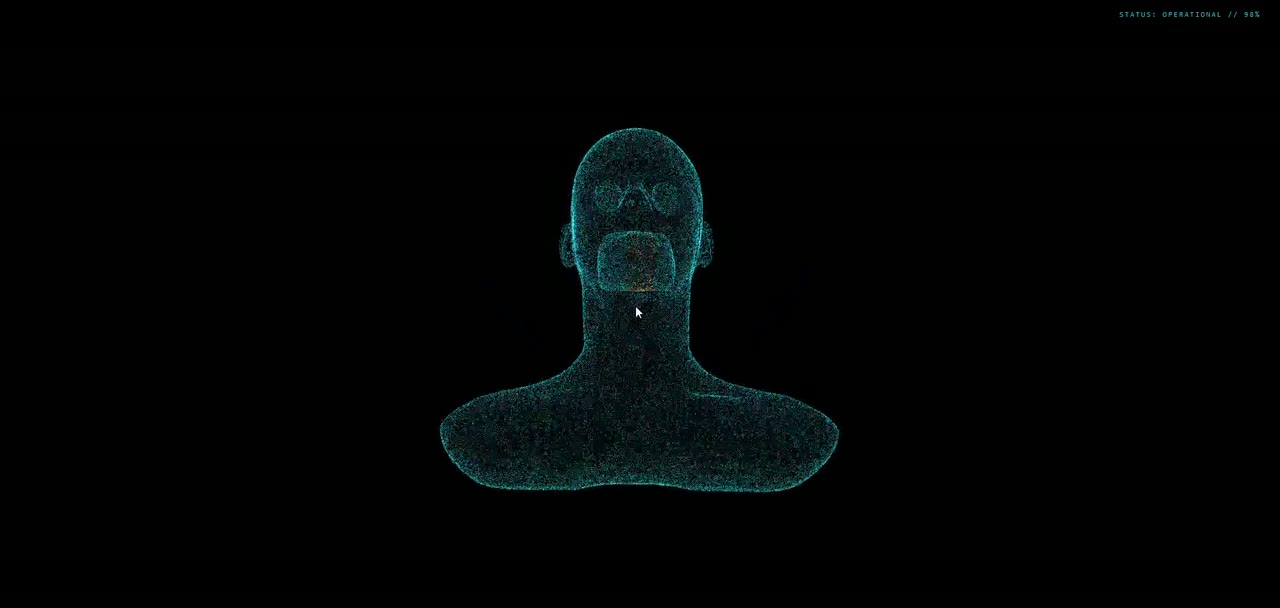
The bust it couldn't build alone
When a model's first attempt fails, how much of that failure is the model's limit, and how much is waiting for the right diagnosis?
- Capability elicitation
- Human-AI collaboration
- Spatial reasoning