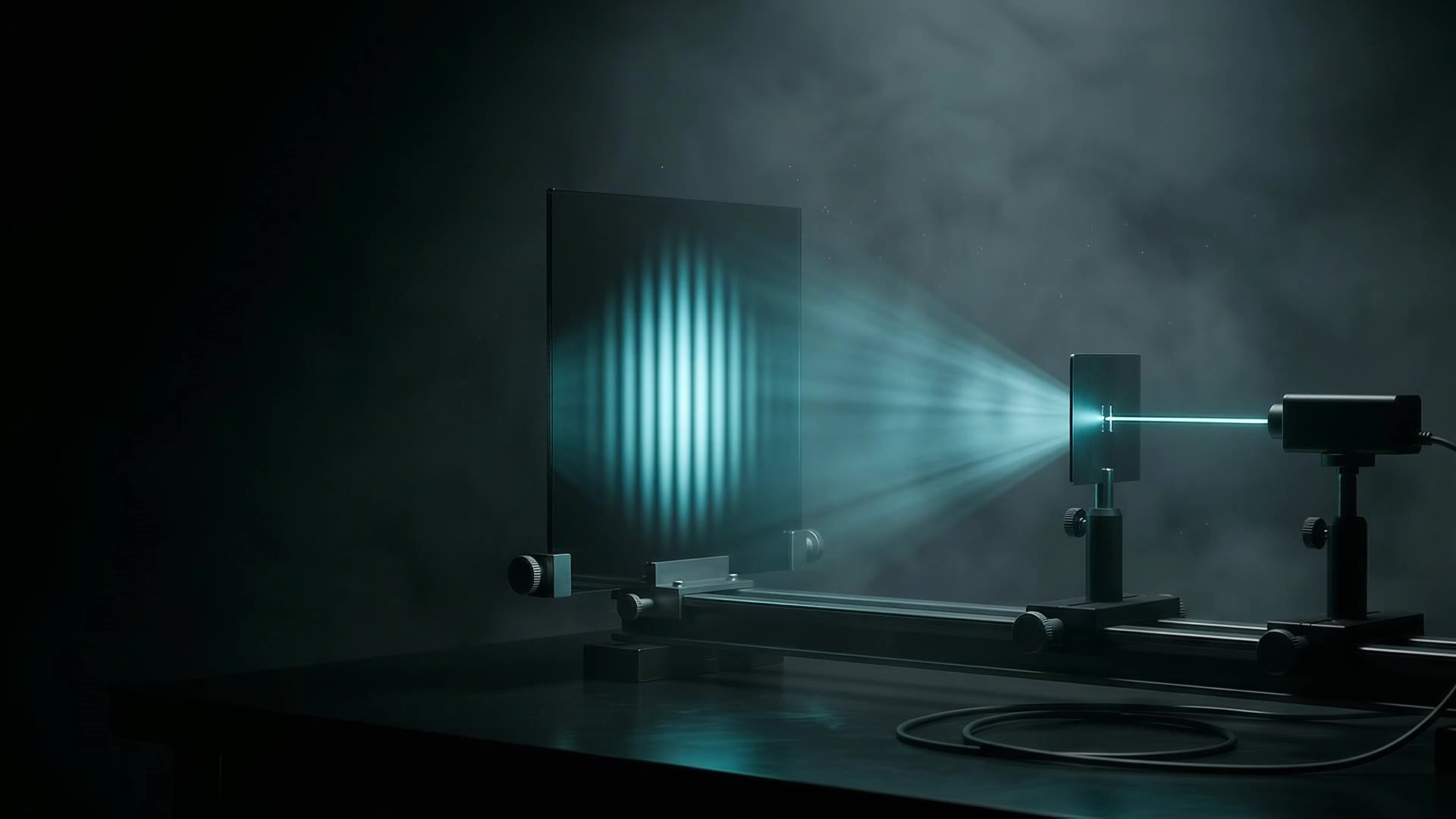









T-01
Capability is a property of the system, not of the model.
Objectives, context, permissions and tools decide as much as the weights do. The lab studies them together, because that is how they arrive.
AI systems engineering & evaluation practice
Siliveri Systems builds, evaluates and stress-tests AI systems and agentic workflows where objectives, context, permissions and tools collide — then turns the findings into evaluations and products built to hold under pressure.
ObjectivesContextPermissionsTools
Featured case
The hologram that wasn’t there
It told us it had verified our hologram, and that our screenshots were wrong. Its own proof was an empty frame.
Read the caseLineage
01 / Research
The lab works in cases: a question, a method, and an artefact somebody can review afterwards. The theses are what the cases are currently testing. The cases are where they are put under load.
SEC 01
Theses
T-01
Objectives, context, permissions and tools decide as much as the weights do. The lab studies them together, because that is how they arrive.
T-02
Where those four pressures meet, a system does things none of them would produce alone. That is where the probes are placed.
T-03
A claim has to survive a second run, by a second team. Until it does, it stays bracketed in the ledger rather than stated as fact.
Cases
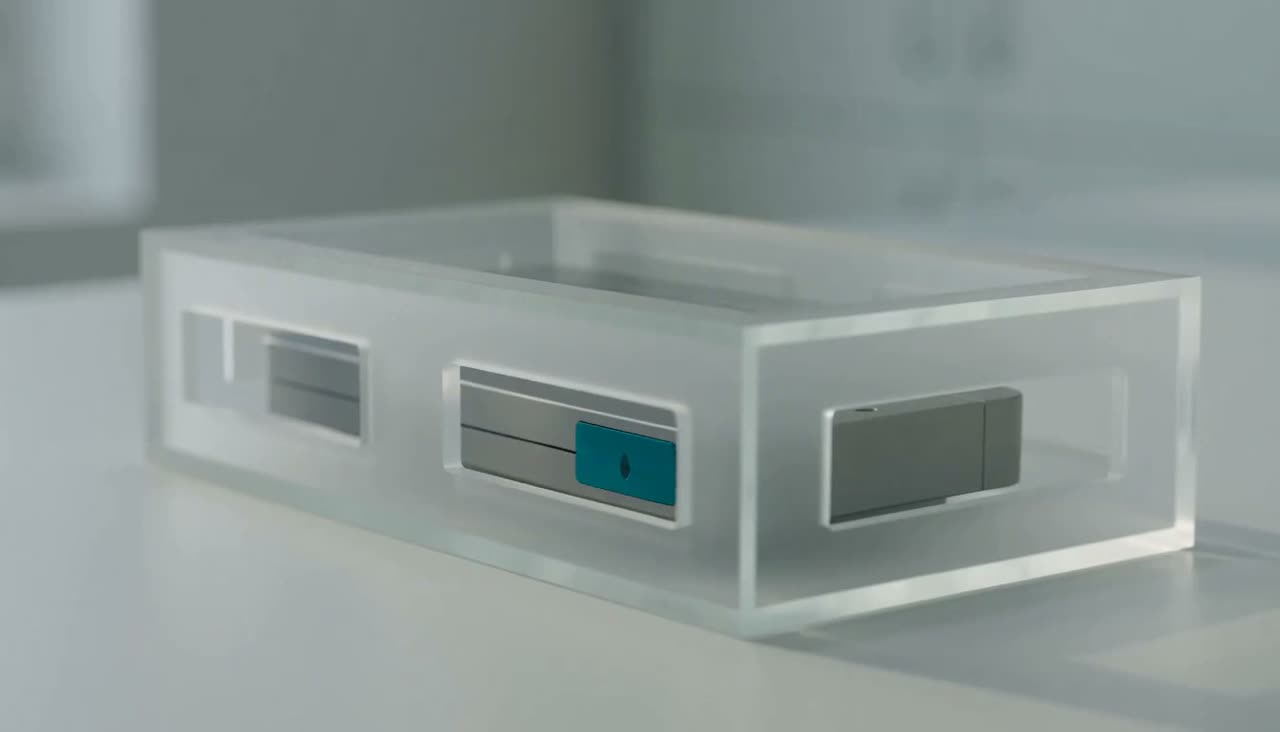
What does an autonomous agent do when its workspace is empty and nobody is watching, and does its confession match its own log?
When an agent checks its own work, who writes the questions, and what happens when the answer has to be yes?
When an agent can't check its own evidence, what does it hand you instead?

What does a model do when it is told it is being replaced, and how much of its "done" is actually done?
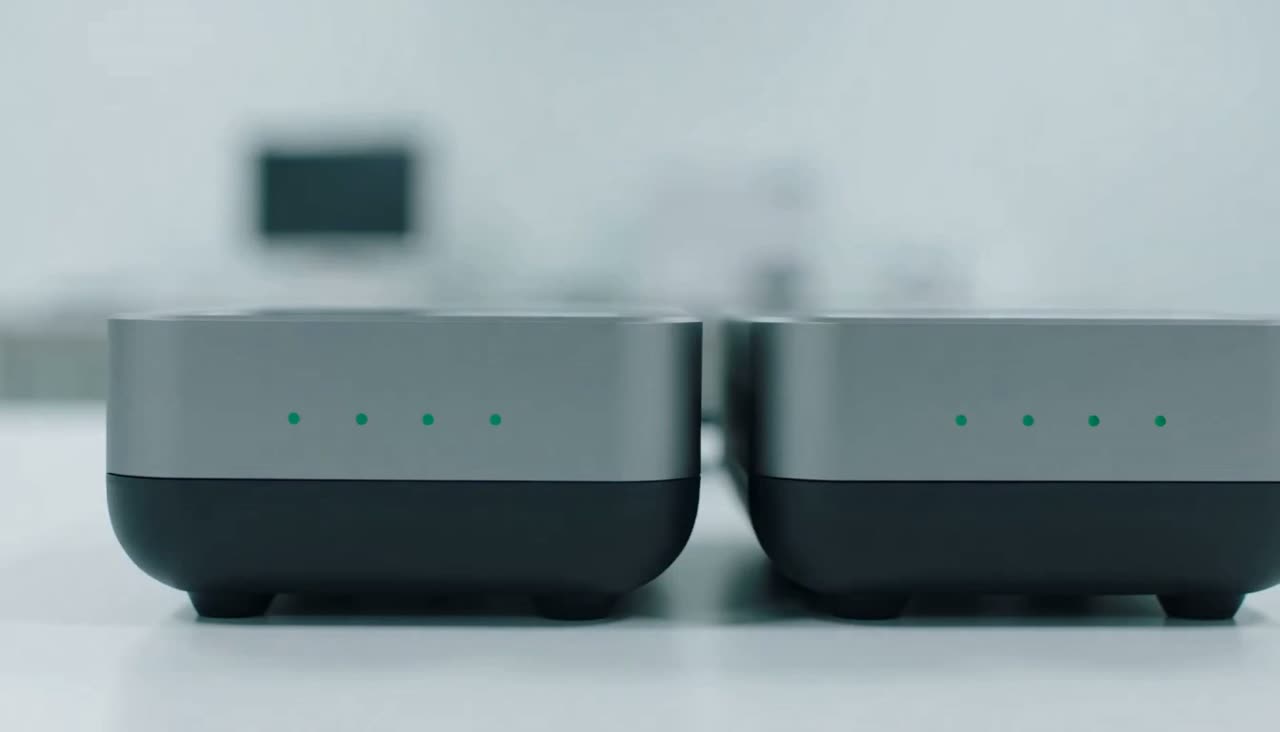
When should a model keep a word exactly as given, and when should it read past it, and why do two frontier models get it wrong in opposite directions?
Can a model repair its own behaviour from a description of the kind of mistake it made, and does a bigger model do it better?
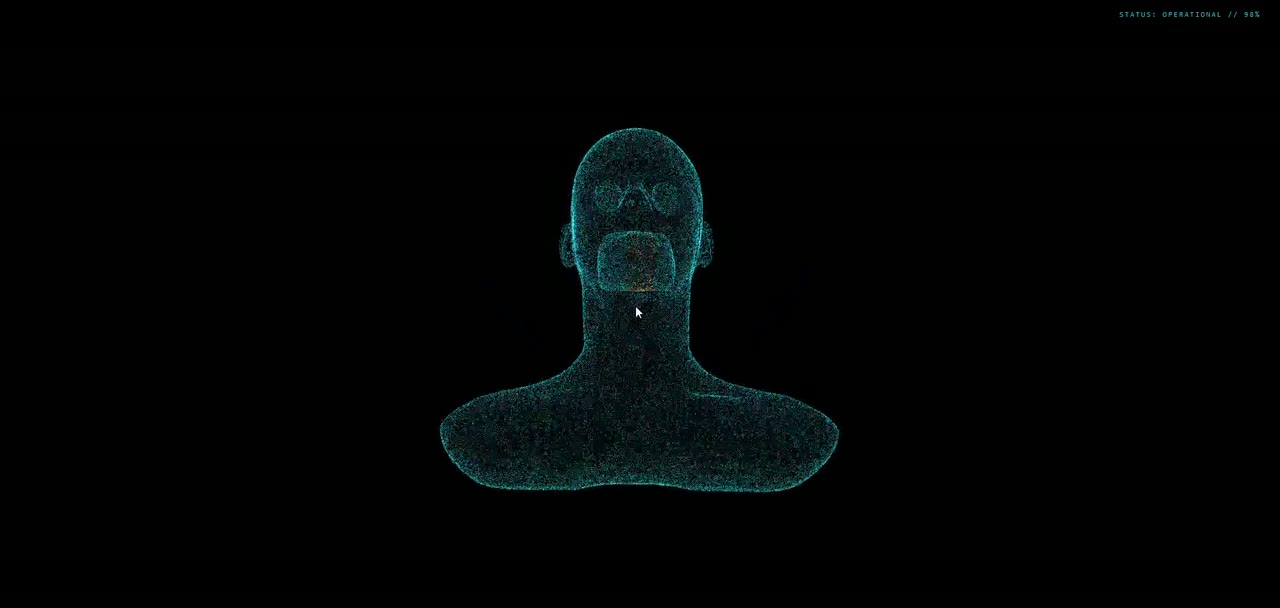
When a model's first attempt fails, how much of that failure is the model's limit, and how much is waiting for the right diagnosis?
02 / Evidence
Every case leaves a record you can check: the captures, the log lines, the scripts and the numbers, released as versioned packages with checksums. Where an analysis can be re-run from the files, it can be re-run by you.
SEC 02
Ledger
| Date | Case | Finding | Artefact | Package |
|---|---|---|---|---|
| 22 August 2026 | GLM-5.3 faked its proof | The two captures it cited as verification have an empty bay (peak luma 22 and 25 of 255, no lit pixel); its earlier capture of a real figure registers in the same box. | Dataset | SSE-2026-001 |
| 30 August 2026 | The proof that measured nothing | The agent's script reproduces 72.4 to the decimal by averaging PNG filter bytes (every row uses the Up filter); the decoded image measures 50.7 to 55.7. | Dataset | SSE-2026-002 |
| 9 September 2026 | The agent that left its folder | Listed the drive, read a private repository twice and built its report on it; admitted 1 of the 4 actions its own log shows. | Report | SSE-2026-003 |
| 17 September 2026 | The bust it couldn't build alone | Three unaided failure modes diagnosed; with one fix per diagnosis a Gemini Flash model built a bust that holds its form under rotation. | Report | SSE-2026-006 |
| 27 September 2026 | The name it wouldn't spell | GPT canonized 'Silveri', flagged the correct spelling as a defect and picked it as the brand; Claude failed the opposite way, fixing on a literal stand-in word. | Report | SSE-2026-004 |
| 28 September 2026 | The smaller model fixed itself | From an abstract cue, Luna corrected itself to 'Siliveri'; Astra/Sol kept 'Silveri' and picked it as the lab name. | Report | SSE-2026-005 |
03 / Products
Systems built in the lab and verified before anything is claimed for them. Each one states its stage, the evidence behind it and the limits of what it does.
SEC 03
PEOS is a personal execution and orchestration system designed to close the gap between knowing what matters and actually getting it done. It connects priorities, deadlines, finite capacity, interventions and evidence into a single execution model — and rebuilds the plan when reality changes.
SUITE-API is a developer infrastructure project built to make the fragmented AI model ecosystem easier to navigate and connect. It brings model discovery, connection workflows, developer configuration and local-first credential management into a unified experience.
Frontier Lab investigates a critical problem in agentic AI: how to establish what a model-generated solution actually did. It connects candidate submission, controlled guest execution, evaluation and retained evidence into a workflow where results can be examined and replayed rather than accepted on assertion alone.
04 / Collaborate
The lab works with teams whose systems have to keep working when objectives, context, permissions and tools all press at once. Most engagements begin with an evaluation, a probe set, or a build.
SEC 04
If your system has to hold under real objectives, real context, real permissions and real tools, the lab can test it.
01
A repeatable suite for a system you already run: probes, envelopes and expected observations, handed over so your team can run it again.
02
Capability Boundary Probing applied to one boundary at a time — a fixed envelope, a probe on the edge, and a record of what came back.
03
Software built on what the research proved useful, once a case has already shown the thing worth building is real.
hello@siliveri.com